The difference between curtains and blinds that look made for a room and ones that look slightly wrong almost always comes down to measuring. At Zara Curtains & Blinds, our own fitters measure every window before anything is made. This article explains what they look for, so you understand why it matters and what decisions are made along the way.
Why we always measure ourselves
Windows in London homes are rarely perfectly square. Victorian and Edwardian houses in Romford, Hornchurch or Ilford often have reveals that taper, plaster that bows and sills that slope. A difference of a few millimetres can stop a blind fitting in a recess or leave a gap of light down one side. Because we make and fit our products, we take responsibility for the measurements too.
Inside or outside the recess?
For blinds, the first decision is whether the blind sits inside the window recess or on the wall above it.
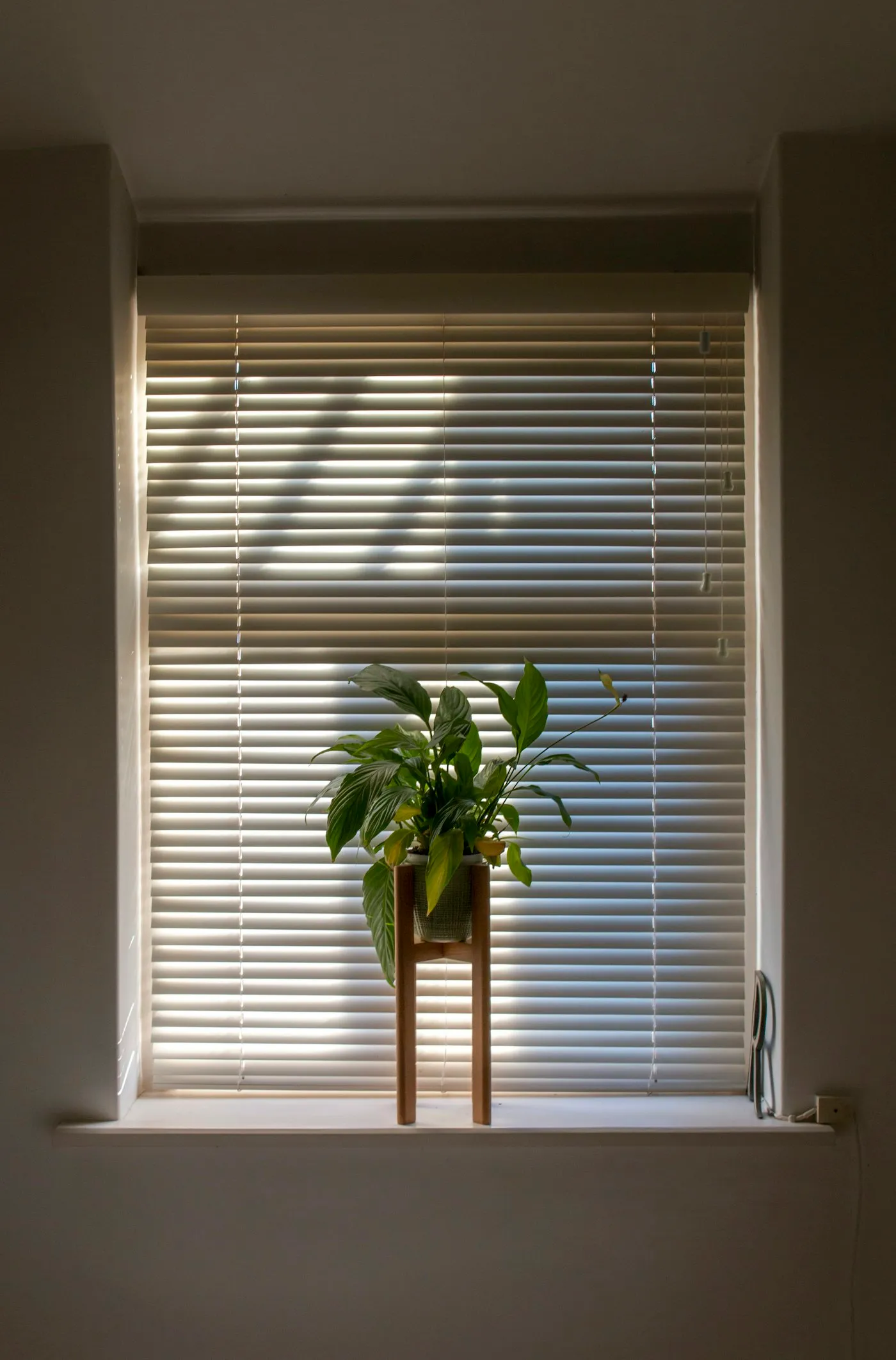
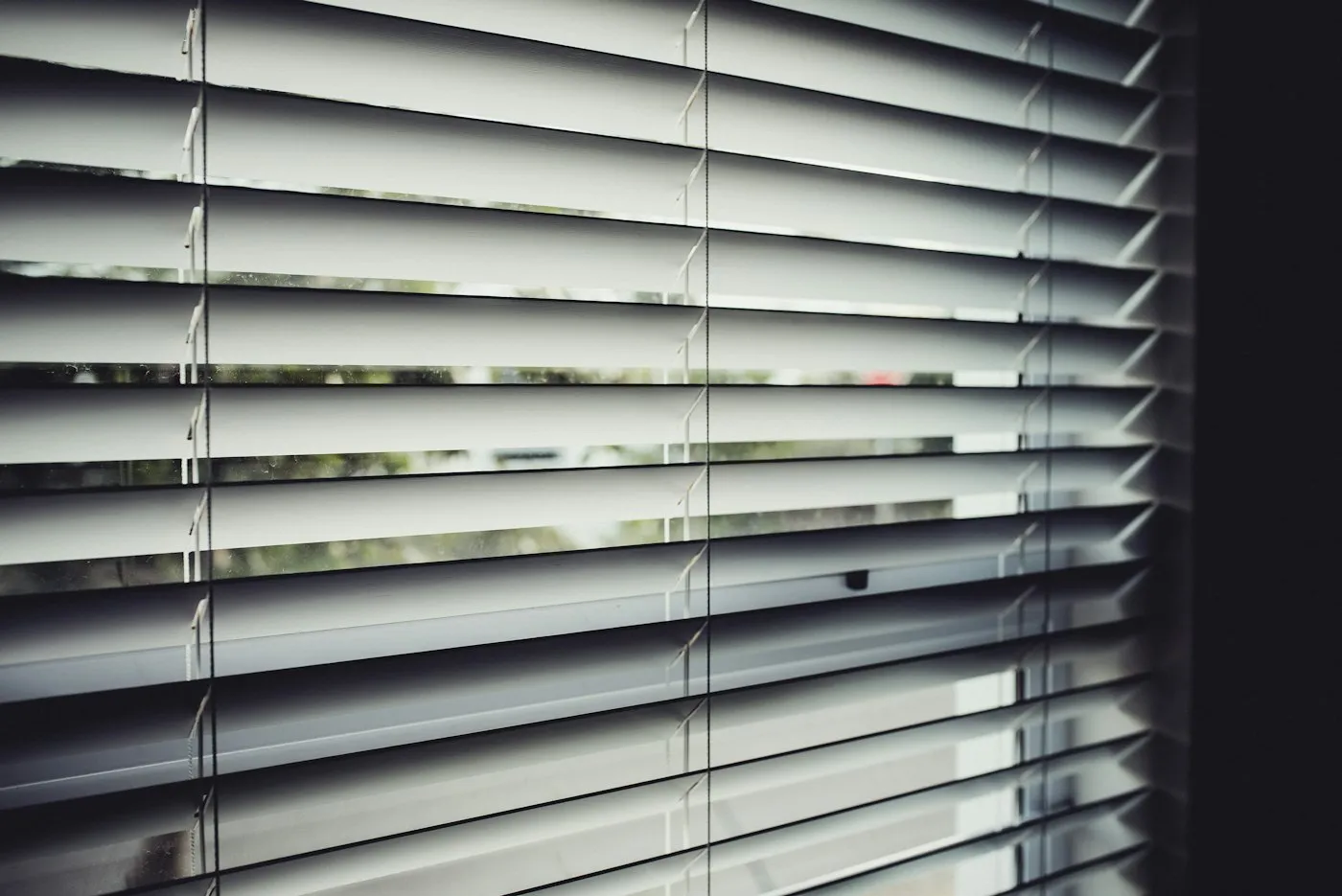
- Inside the recess gives a neat, built-in look and suits roller blinds, wooden blinds and day & night blinds. We measure the width at the top, middle and bottom and use the narrowest point.
- Outside the recess lets the blind overlap the window, which blocks more light and can make a small window look larger. It is often the better choice for Roman blinds and for bedrooms. We also check the recess depth, because some products need a minimum depth to sit flush, and handles or window locks can get in the way.
Measuring for curtains
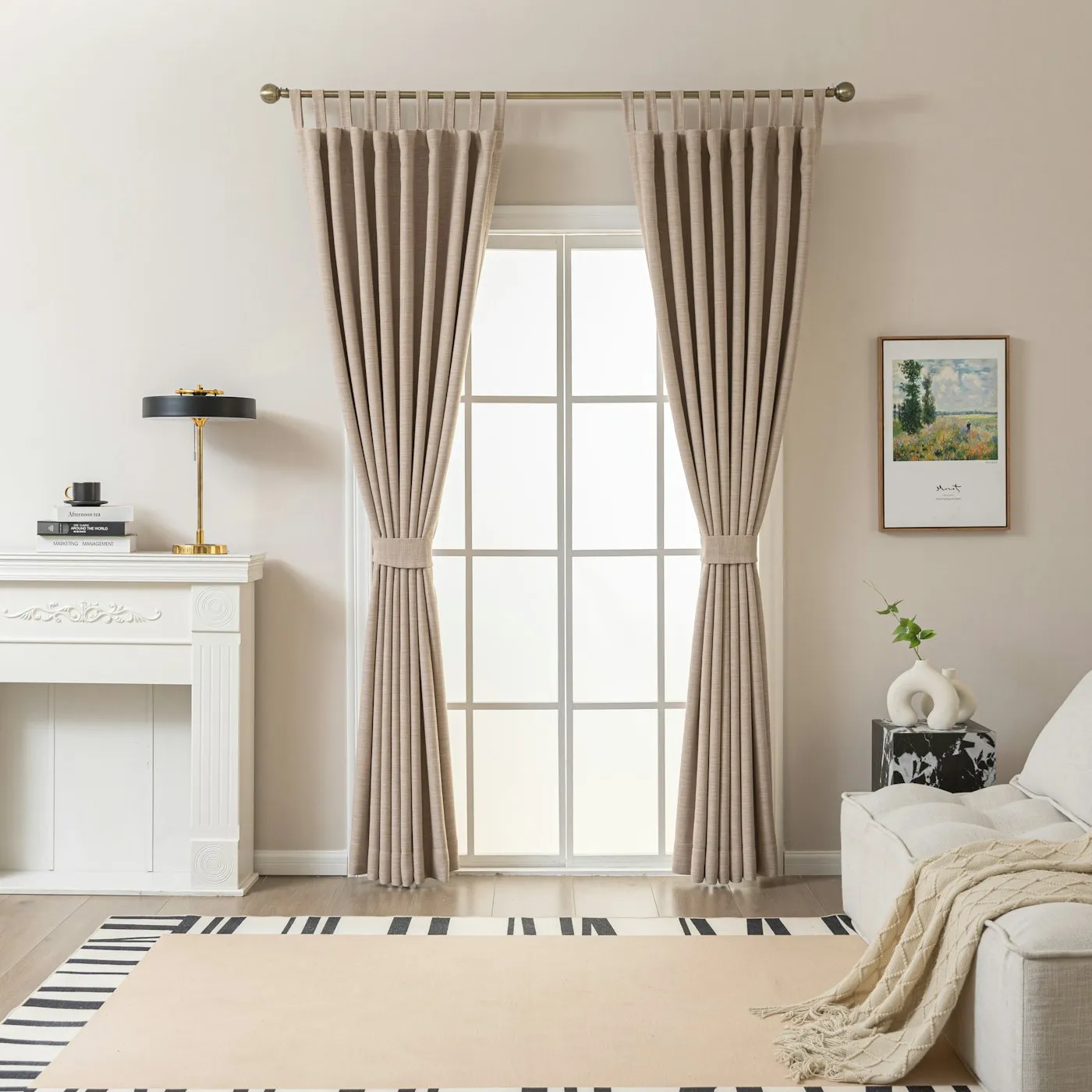
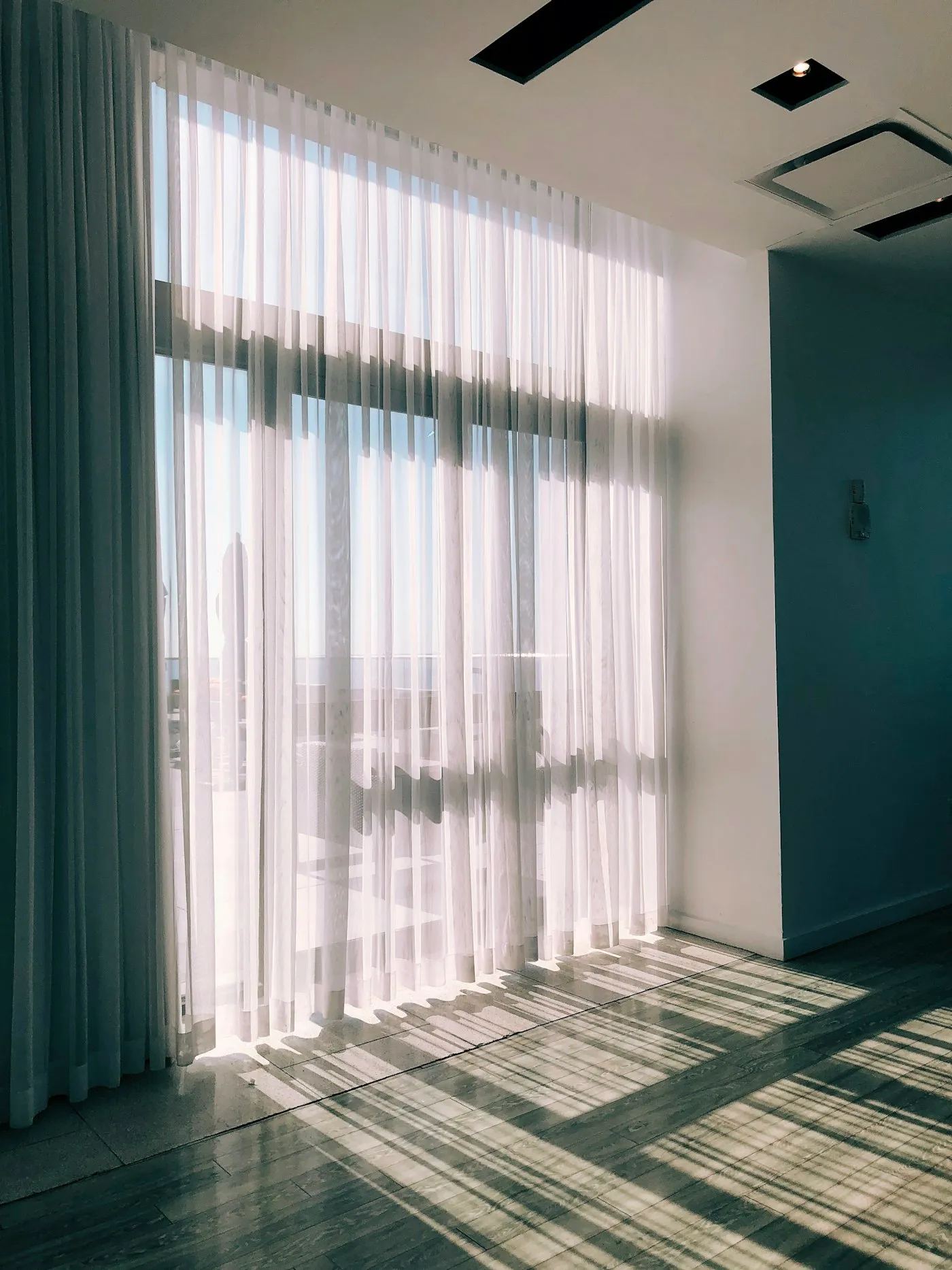
For curtains we measure for the pole or track first, then the curtains. A pole usually extends beyond the window frame on each side so that when the curtains are open they stack against the wall rather than over the glass. We then decide the drop: just above the sill, below the sill, just off the floor, or with a slight break onto the floor for a more luxurious look. Each finish suits a different room, and we will talk it through with you. Fabric fullness matters too. A pinch pleat or wave heading needs more fabric than the width of the pole so that the curtains fall in soft, even folds when closed. Our guide to choosing curtains covers headings in more detail.
Bay windows and awkward shapes
Bay windows need particular care. We measure each angle and section separately, and decide whether a bendable track, a set of blinds or plantation shutters will work best. Shutters are made to follow the exact shape of the bay, which is why measuring is so important. Read more in dressing bay windows in London terraces.
Checking the fixings
Finally, we check what the brackets will be fixed into. Plaster, brick, timber lintels and plasterboard all need different fixings, and older properties can have surprises behind the surface. Knowing this in advance means fitting day runs smoothly.
Book a measure
If you are planning new curtains, blinds or shutters, call our Romford showroom to book a visit. You can also learn about our full process from first visit to fitting.