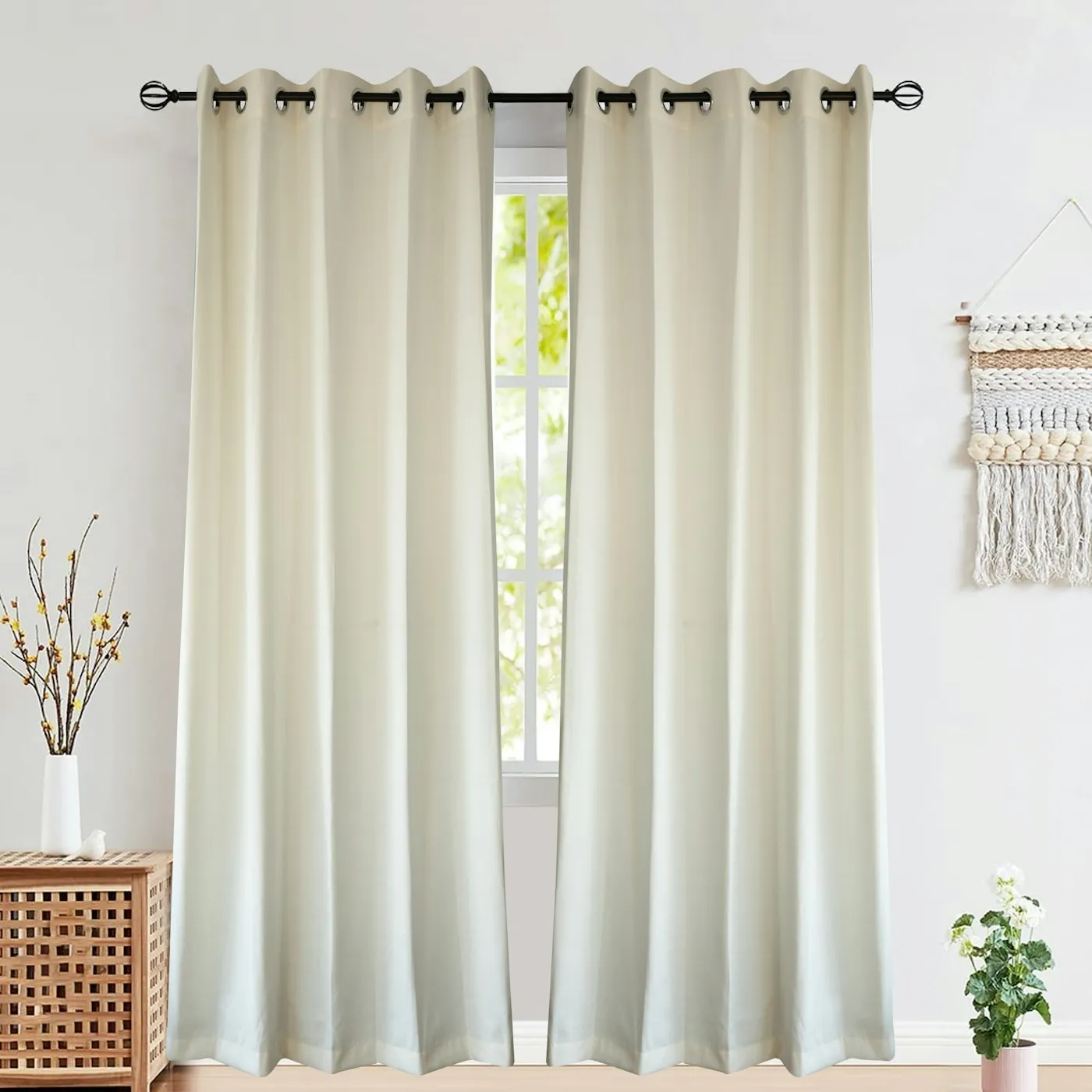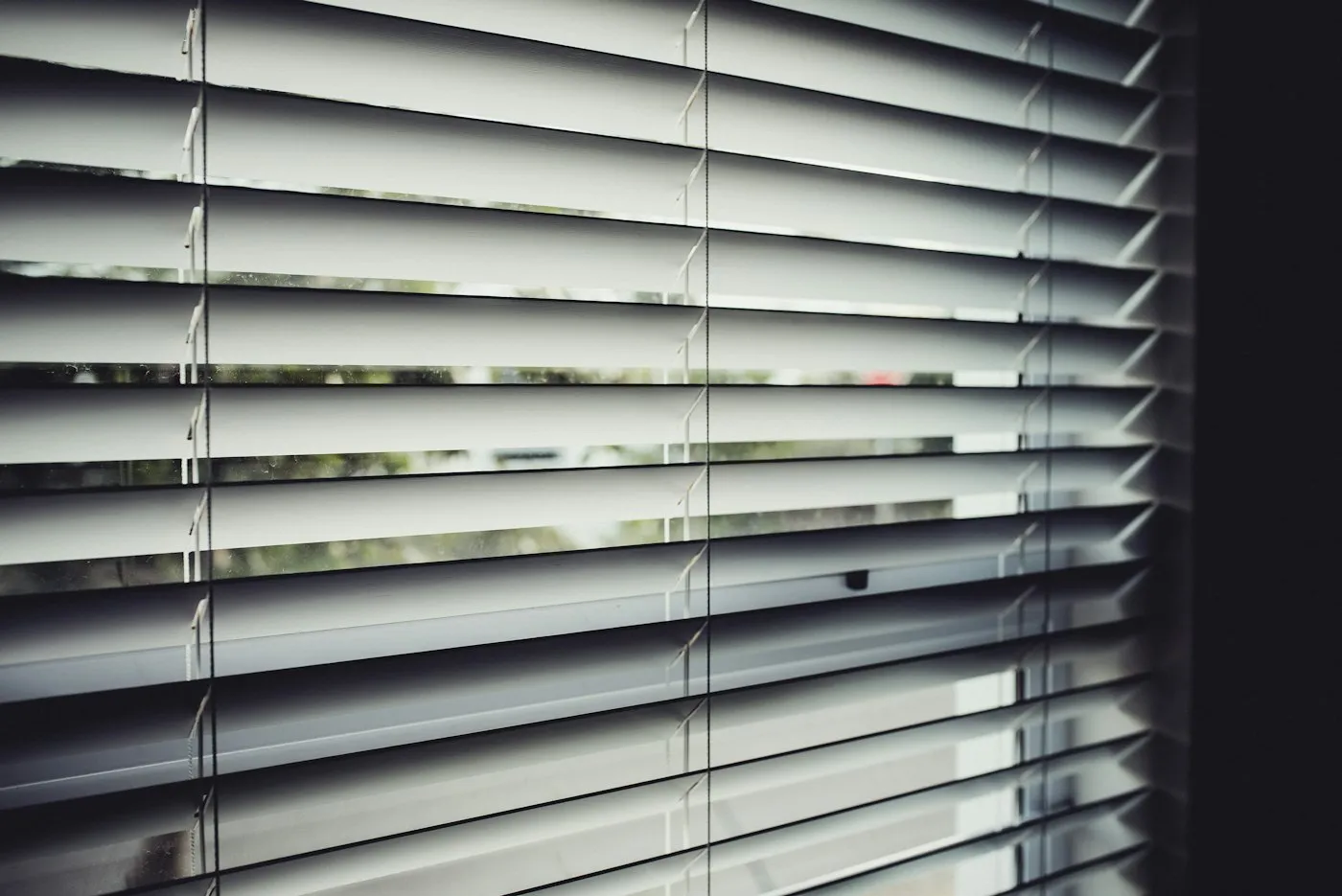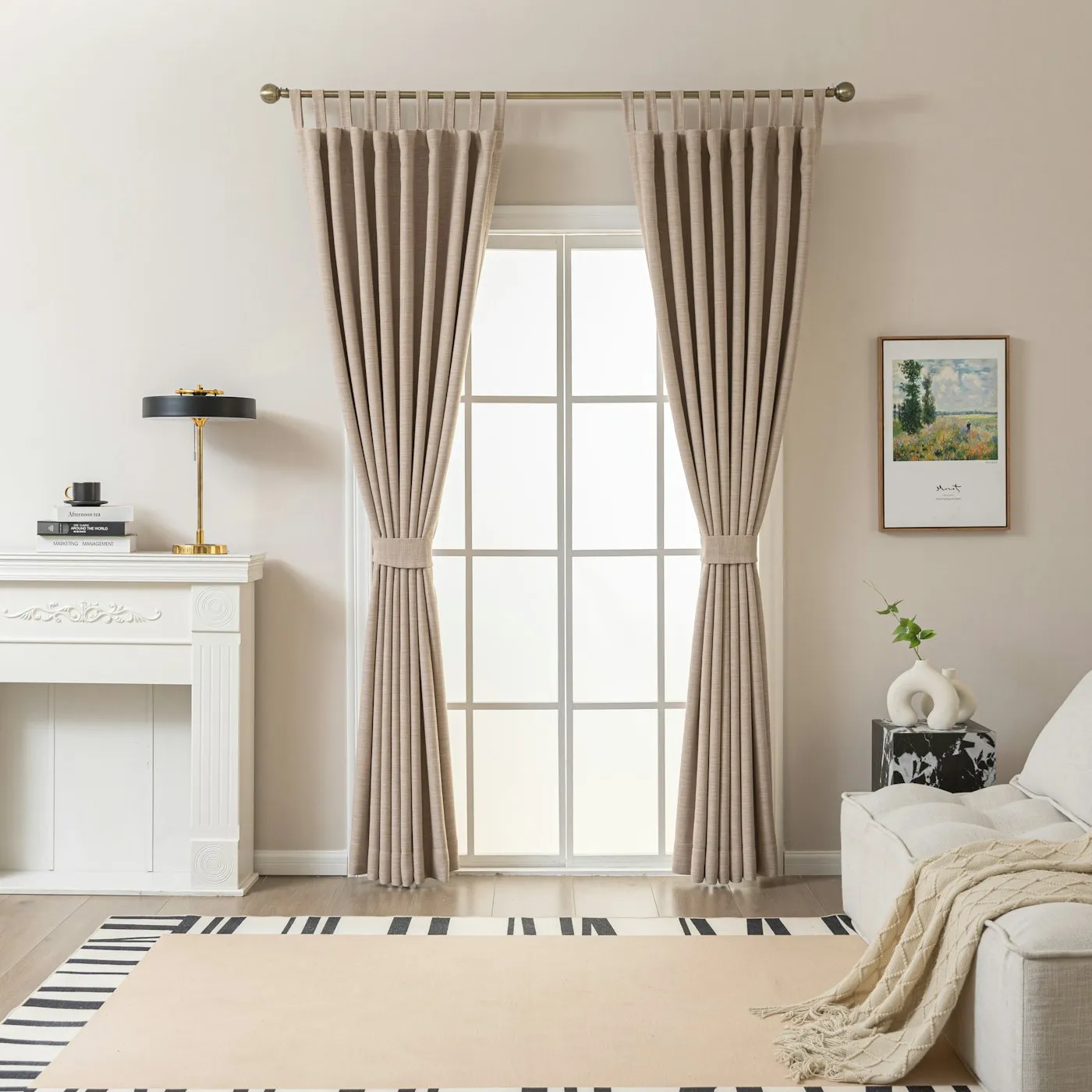
Ordering curtains or blinds that are made to measure is different from buying something off the shelf. Nothing is cut until we have seen your windows, talked through how you use each room and checked every measurement twice. This guide explains exactly how a project with Zara Curtains & Blinds runs, from the first phone call to our showroom in Romford through to the day our fitters hang the finished pieces.
1. Your first conversation
Most projects start with a call to our Romford showroom or a message through our enquiry form. We ask a few simple questions: which rooms you are dressing, roughly how many windows there are, and whether you already have a style in mind. If you are not sure yet, that is fine. Many clients come to us knowing only that a bedroom is too bright in the morning or that a living room feels cold in winter. You are welcome to visit the showroom first to look at fabrics, blind samples and shutter finishes in person. Others prefer us to come straight to them, which is where the home consultation comes in.
2. The home consultation
The home consultation is free and comes with no obligation. A member of our team visits your home with fabric books, blind swatches and shutter samples. Seeing materials in your own light matters: a linen that looks warm in the showroom can read quite differently in a north-facing London front room. We look at the windows, the heating, how much privacy you need from the street and how the room is used through the day. We explain the options plainly. A family room might suit double curtains with a sheer behind, while a home office might be better with wooden blinds that you can tilt to cut screen glare. Our guide to what happens at a home consultation goes into more detail.
3. Design and choosing your products
Once you have chosen your products, we confirm the details with you: fabric, lining, heading style, the type of track or pole, which way blinds should stack and how shutters should fold. For curtains this includes choices such as pinch pleat or wave headings and whether you want standard, thermal or blockout lining. For blinds it might be the slat size on a wooden blind or the fold depth on a Roman blind. You receive a written quote that lists every item, so there are no surprises later.
4. Precise measuring
Accurate measurements are the reason made-to-measure products hang so well. Our fitters measure every window individually, because no two London windows are exactly the same, especially in older houses where walls and reveals are rarely square. We decide whether each blind fits inside the recess or outside it, how far a curtain pole should extend past the frame and where brackets can be fixed safely. We have written a separate article on how we measure windows for curtains and blinds if you would like to understand the process in depth.
5. Making your curtains, blinds and shutters
With measurements confirmed, your order goes into production. Curtains are cut and sewn to the exact drop and width, with headings and hems finished by hand. Blinds and shutters are built to the sizes our fitters recorded. We tell you the expected timescale when you order and keep you updated if anything changes.
6. Professional fitting
Our own team fits everything we make. On fitting day we put up poles and tracks, hang curtains and dress them so the folds fall evenly, and fit blinds and shutters so they operate smoothly. Before we leave, we show you how everything works, tidy up and make sure you are happy with every window.
7. Aftercare
Our relationship does not end when the fitters leave. If a blind needs adjusting, a curtain needs re-hemming after it has settled, or you would like advice on cleaning, just call the showroom. We also repair and adjust curtains and blinds, including ones we did not make.
Ready to start?
Browse our curtains, blinds and shutters, or call Zara Curtains & Blinds in Romford to arrange a free home survey and design consultation. We cover all of London, and most of our work is close to our showroom in Romford.